Glide Beside the Water: Step‑Free Riverside and Canal Towpath Walks Across the UK

Discover step‑free riverside and canal towpath walks in the UK that invite relaxed movement, easy wayfinding, and unhurried connection with water and wildlife. We highlight smooth surfaces, gentle gradients, and practical access tips, so families, wheelchair users, buggy pushers, and anyone seeking calmer miles can enjoy inclusive adventures. Expect real stories, planning tools, and welcoming routes that reward curiosity. Share your experiences, ask questions, and help others find tranquil paths that feel safe, beautiful, and confidently achievable today.

Finding Smooth Paths by Rivers and Canals

Start with stretches known for consistent surfaces, wide towpaths, and clear ramps around bridges or lock chambers. Many canals offer continuous tarmac or compacted gravel, reliable drainage, and calm edges perfect for pausing beside reeds or moored narrowboats. Look for benches, accessible toilets, and step‑free transport nearby, then build your plan gradually. Embrace out‑and‑back options for flexibility, and remember that water’s gentle line often brings fewer steep surprises than hillside trails, encouraging confidence from first step to last.

01

London’s Tranquil Corridor from Paddington to Little Venice

Follow gleaming water between Paddington Basin and Little Venice on a near‑level path with broad shoulders, cafés, and plentiful places to rest. Ramps and wide bridges simplify movement, while step‑free rail connections at Paddington keep travel smooth. Early mornings bring soft light and calmer footfall, ideal for wheelchair users, families with prams, or anyone easing back into longer walks. Pause by the floating gardens, watch canal life unfold, and loop back whenever energy and time feel just right.

02

Thames Path Highlights Between Richmond and Kingston

Seek broad riverside promenades, parkland edges, and gentle gradients that welcome wheels and steady steps between Richmond and Kingston. Surfaces here shift between smooth asphalt and well‑compacted gravel, with abundant benches and riverside cafés to punctuate the journey. Bridges typically have ramped approaches, though slopes vary, so check station access and temporary works before setting out. Enjoy sweeping views of river meadows, scullers slicing silver water, and swans drifting calmly, making the miles feel lighter and quietly restorative for mixed‑ability groups.

03

Edinburgh’s Union Canal from Fountainbridge

Glide west from Fountainbridge along the Union Canal on a wide, mostly paved route lined by reflections, neat moorings, and patient herons. Gradients are generally kind, with ramps near crossings supporting step‑free progress toward Harrison Park’s welcoming greens. Trams and trains nearby offer lift‑served connections, while cafés and pocket parks deliver frequent rest options. On breezy afternoons, watch ripples chase shadows beneath arched bridges, then turn back whenever it suits, returning refreshed by the capital’s quiet, watery spine.

Plan With Confidence
Smart Mapping and Reliable Resources
Blend authoritative sources like Canal & River Trust notices, National Trails updates, and city accessibility guides with community‑driven insights across forums and mapping apps. Cross‑check towpath closures, bridge works, and towpath width notes, then pin potential rest spots and water refill points. Download area maps for offline assurance, and save accessible detours in case lock repairs create temporary pinch points. Keeping layers current lets you adapt smoothly, preserving the day’s pace, comfort, and confidence even when plans shift a little along the way.

Transport, Parking, and Step‑Free Links
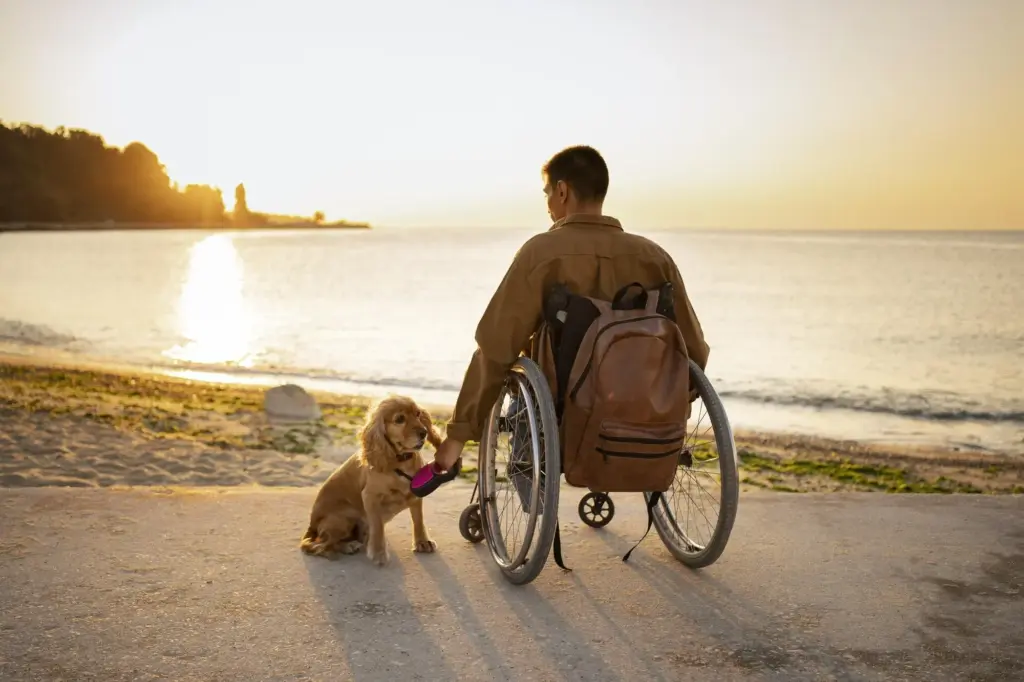
Confirm lift access, ramped entrances, and platform gaps at nearby stations, and check bus stop locations relative to the waterside path. If driving, note Blue Badge spaces, time limits, and surface conditions from car park to towpath. Many canal hubs and riverside parks offer gentle, paved connectors, but gradients vary, so screenshot contact numbers for venue staff. Planning both arrival and exit gives you more control over distance, energy, and daylight, keeping transitions smooth and everyone’s spirits high throughout the outing.

Surfaces, Weather, and What to Bring

Tarmac and well‑compacted gravel are usually friendly to wheels and steady steps, but rain can loosen fines and create puddles near low spots. Pack layers, light waterproofs, and a small seat pad for ad‑hoc resting. Consider gloves for pushing on coarse aggregates, and carry snacks to buffer energy dips. A basic repair kit for wheelchairs or buggies, plus a power bank and reflective accessory, increases resilience. Finally, choose shoes with grip suitable for damp edges, especially where fallen leaves gloss the path.

Stories From the Water’s Edge

First‑hand experiences turn maps into meaning. Listening to different walkers helps us anticipate real‑world details: where a slope felt long, which bridge ramp was easiest, and which café welcomed wheelchairs without awkward furniture reshuffles. Honest accounts chart confidence growing over miles, with lessons about turning back proudly, splitting a route across two visits, or simply lingering where sunlight danced on ripples. These stories are guideposts, reminding us that comfort, curiosity, and companionship measure success better than any single distance target ever can.

Navigating Locks, Bridges, and Narrow Spots

Approach locks and bridge pinch points slowly, letting sightlines open before you commit. Where ramps provide alternatives to steps, take them early to avoid tight turns right on the edge. If traffic builds, pause at a wider lay‑by and invite others through. Communicate with bells or friendly voices, and keep leashes short near blind corners. Practicing these courteous, low‑stress habits protects calm momentum, especially for wheelchair users and families, transforming complex micro‑sections into simple, repeatable routines you can trust every time.

Rest, Food, and Facilities Along the Way
Build your outing around generous pauses. Identify benches with views, cafés that handle wheels easily, and accessible toilets, including Changing Places facilities where available. Carry snacks that tolerate weather swings, plus a light blanket for cooler seats. Hydration helps attention and balance, while warm drinks lift morale if clouds gather. A little comfort planning goes far, reinforcing confidence, protecting joints and hands, and letting conversation meander as lazily as the water beside you. Your body sets the rhythm; the route simply supports it.

Light, Sound, and Crowd Awareness

Morning light softens glare on wet surfaces, and earlier hours often mean gentler footfall. Sunglasses or visors help with reflected brightness, while brighter clothing or lights increase visibility in tunnels or underpasses. Headphones at low volume preserve awareness where cyclists share the path. During festivals or match days, reroute to quieter segments or postpone to a calmer window. Noting crowd patterns in advance preserves headspace and safety, keeping the day’s focus on peaceful water, open sky, and steady, enjoyable movement.

Routes to Try Now

These sample outings prioritize smooth surfaces, simple navigation, and step‑free links. Treat them as starting points, adapting distance to energy, daylight, and weather. Always confirm current access, lift availability, and any towpath works before setting out. Bring a flexible mindset and celebrate turning back early if it preserves comfort. Collect your own details—where the best bench hides, which ramp felt kindest—and share them with others. The more lived knowledge circulates, the easier it becomes for everyone to explore confidently.

Paddington Basin to Little Venice, Out‑and‑Back

Enjoy approximately two easy miles along a broad, level corridor framed by boats, cafés, and sheltered seating. Surfaces are largely paved, with ramped connections and clear sightlines that support relaxed pacing for wheelchairs and buggies. Start at Paddington for step‑free rail links and accessible facilities, then pause near the floating gardens before returning. Add distance incrementally by continuing toward Maida Hill Tunnel viewpoints, staying mindful where the path narrows. The route’s forgiving nature makes it a dependable confidence builder through seasons and changing weather.

Glasgow’s Forth and Clyde Canal: Speirs Wharf to Firhill

Roll or stroll on a mostly level, well‑surfaced towpath linking Speirs Wharf’s handsome warehouses to green edges near Firhill. Expect broad lines, calm reflections, and ample places to stop if breezes rise. City transport options and lift‑served stations support step‑free access, while cafés nearby simplify comfort breaks. Check for local works around bridges, then choose an out‑and‑back distance matching energy on the day. Sunsets can be exquisite here, painting the canal copper and pink while herons steady themselves like careful sentries.

Nottingham’s Trent Embankment Loop Options

Pick a gentle circuit beside the River Trent’s broad embankments, with paved promenades, plentiful benches, and frequent cafés. Wayfinding is straightforward, and step‑free parking or bus stops often sit close to the river’s edge. Breeze patterns can pick up across open water, so bring layers, then add or subtract distance by crossing bridges with ramped approaches. This flexible waterfront invites families, new walkers, and wheelchair users to find an easy rhythm, gather small victories, and finish with warm drinks overlooking broad, unhurried water.

Nature, Heritage, and Hidden Details

Waterside corridors hold layered stories. Glimpse coots shepherding chicks under reeds, swallows looping summer arcs, and kingfishers flashing electric blue along quiet banks. Listen for the hush of paddle strokes or a lock gate’s creak announcing patient engineering. Interpretive signs reveal warehouses reborn as homes, ironwork on cast bridges, and dates chiselled into stones that steadied barges. Notice seasonal textures—willow catkins, frost patterns, bees browsing towpath flowers—each inviting slower steps. Curiosity transforms familiar miles into living museums of movement, craft, and community.

Join the Waterside Community

Your insight helps others choose joy with confidence. Share photos, distance notes, ramp details, toilet tips, and crowd patterns so newcomers can plan wisely. Ask questions, request route checks, and celebrate small victories that deserve applause. Consider volunteering at inclusive events or flagging maintenance needs through official channels. When communities pool gentle expertise, barriers decline across seasons, not just days. Subscribe for route updates, contribute feedback, and help shape a living guide that keeps step‑free waterside miles welcoming, reliable, and wonderfully shared.
Zentolivopentodaxilumakento
Privacy Overview

This website uses cookies so that we can provide you with the best user experience possible. Cookie information is stored in your browser and performs functions such as recognising you when you return to our website and helping our team to understand which sections of the website you find most interesting and useful.