
Share Your Tips and Photos
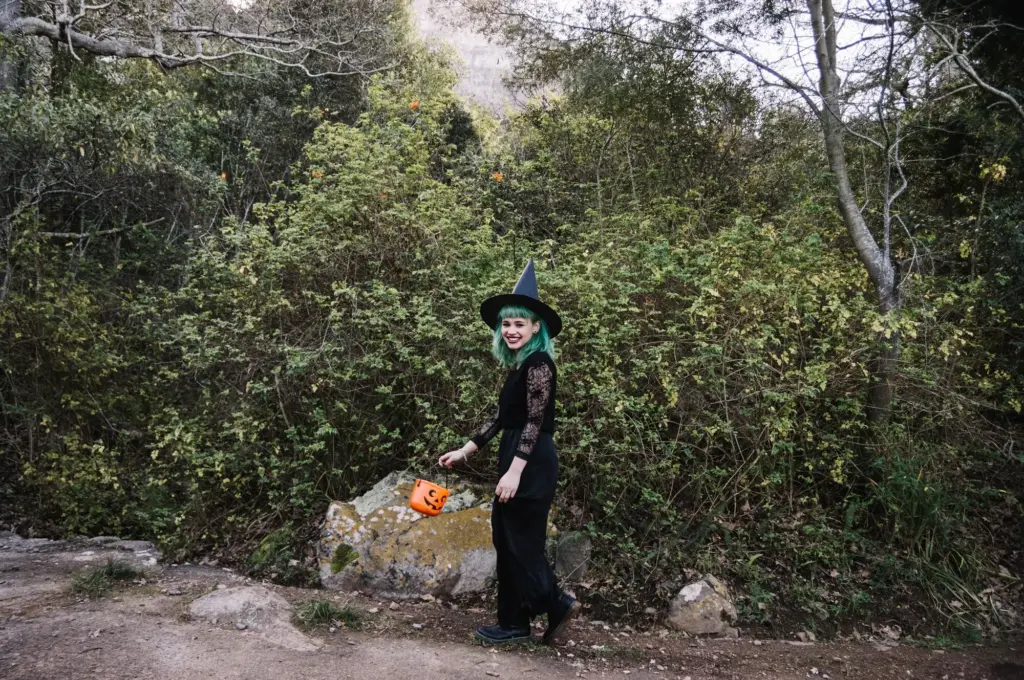
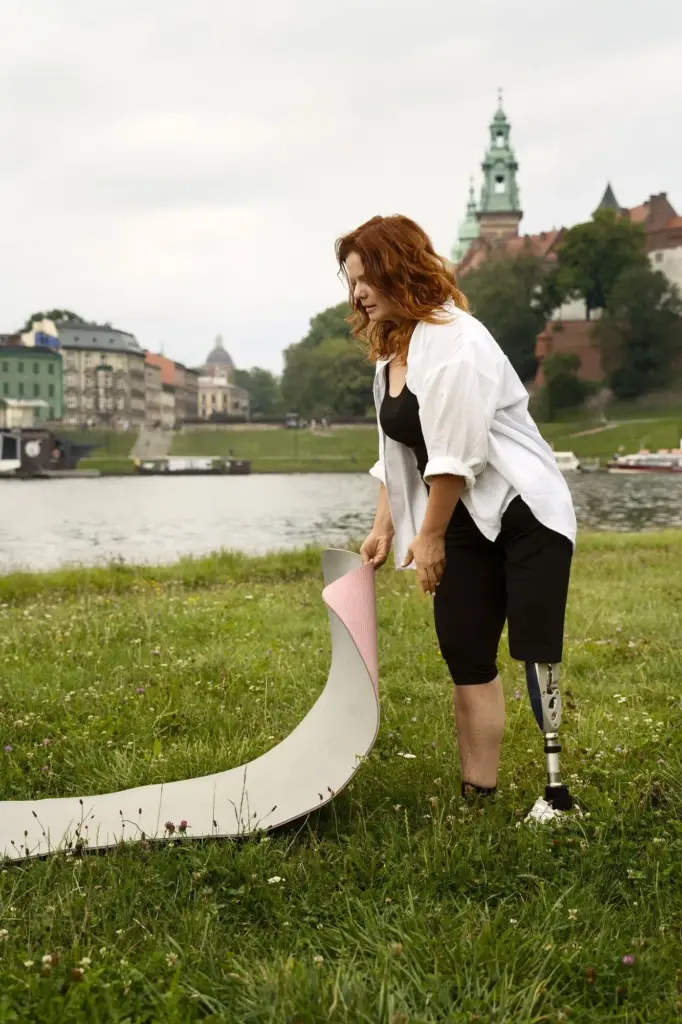
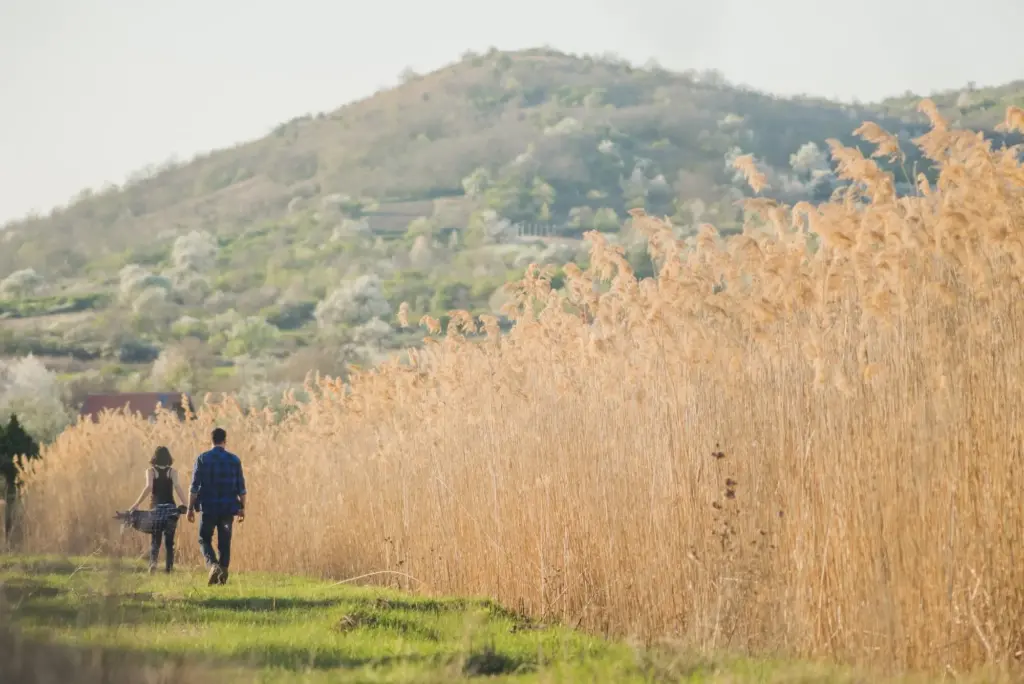
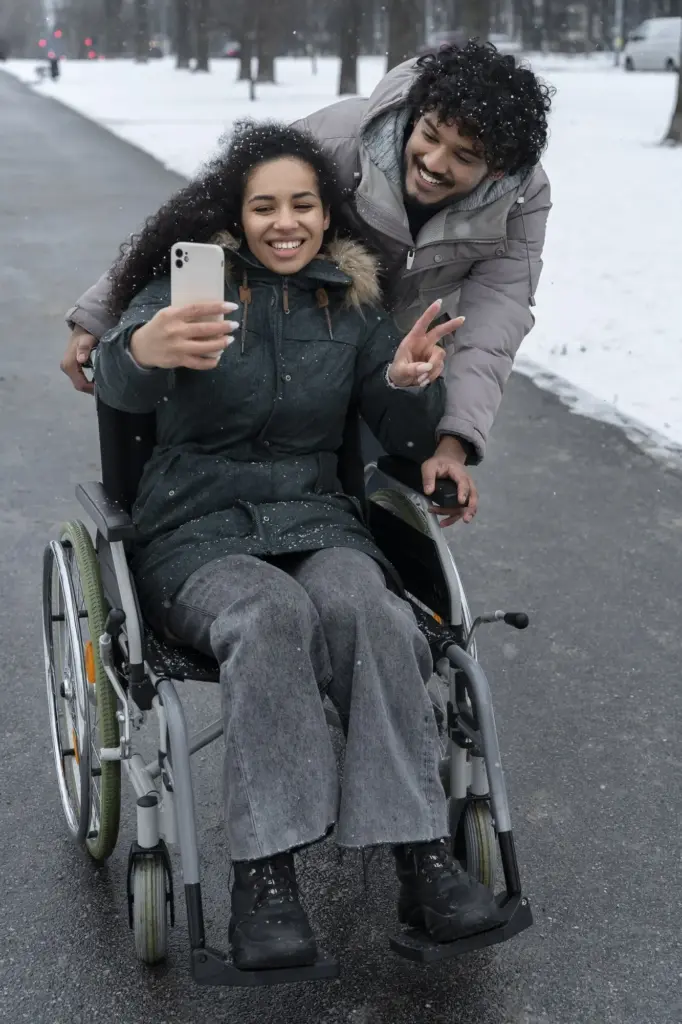
Post snapshots of surfaces, slopes, and seating, tagging gardens and accessibility groups. Honest captions help others gauge effort and plan rests. If you found a perfect picnic spot or quiet nook, draw a quick map. Your generosity can turn an uncertain maybe into tomorrow’s confident adventure.

Support Improvements and Access Audits
Join friends groups, donate to path resurfacing, or volunteer on community audit days documenting barriers and wins. Measured notes about gradients, door pressures, and thresholds accelerate change. Celebrate successes publicly, thank staff by name, and watch momentum grow as ideas become drawings, budgets, and beautifully smoother journeys.

Volunteer, Learn, and Connect
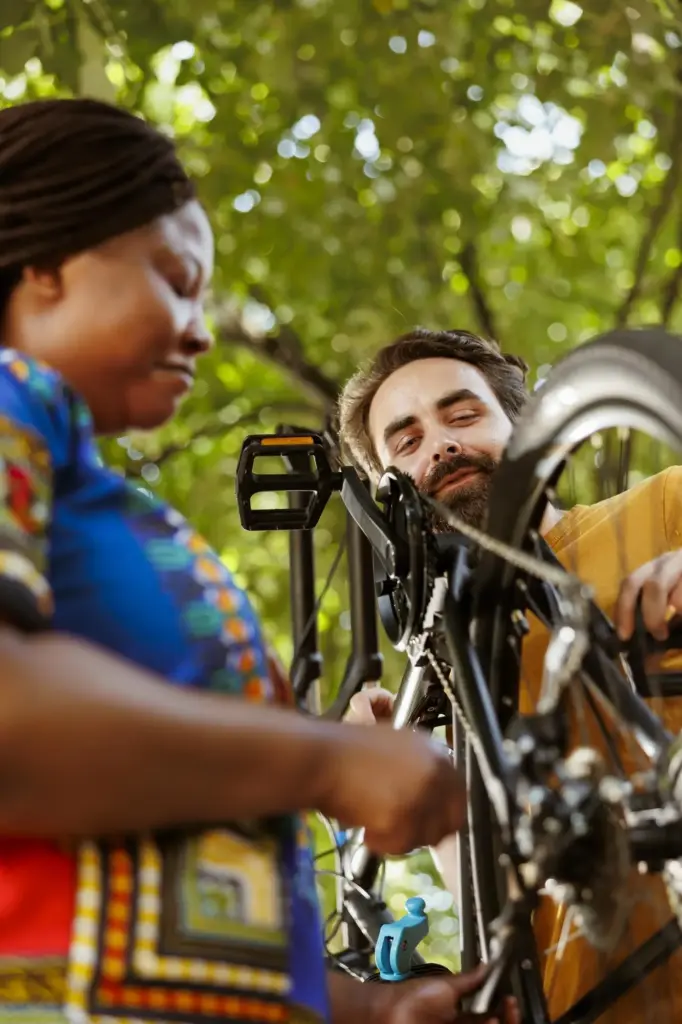
Docent programs, seed collections, and citizen science walks often welcome participants moving at thoughtful speeds. Training includes inclusive language and guiding techniques, deepening empathy alongside horticultural knowledge. You leave with friendships, plant lore, and routes memorized, ready to greet newcomers warmly and point toward shade, smiles, and discovery.