Pram‑Ready Greenways and Linear Parks across British Cities

Join us as we dive into pram‑friendly urban greenways and linear parks in British cities, celebrating routes where wheels roll smoothly, naps stay undisturbed, and parents can savor a coffee without stress. Expect clear guidance on surfaces, gradients, step‑free access, baby‑changing stops, and transport links, plus real stories, gentle planning tips, and seasonal magic that turn everyday walks into restorative, memory‑making journeys for families and caregivers.
Surfaces and Gradients That Respect Tired Arms
Comfort begins under the wheels. Continuous, well‑maintained tarmac, resin‑bound gravel, or fine‑compacted paths resist ruts and puddles, keeping naps blissfully steady. Gentle inclines conserve energy on the way up and control momentum when descending. Subtle camber avoids rain pooling while preserving easy steering. Even small improvements, like smoothing root heaves or bridging drainage grates, can transform a choppy push into a peaceful, unhurried glide for everyone involved.
Entrances, Crossings, and Wayfinding You Can Trust
Stress evaporates when access is obvious and step‑free. Wide gateways without kissing‑gates, tactile paving where appropriate, flush kerbs, and logical crossings knit parks to pavements without awkward lifts or narrow turns. Wayfinding should reassure at every junction, with pram‑friendly symbols, distance markers, and landmarks for quick decisions one‑handed. When signs match reality, caregivers can focus on scenery and smiles, not second‑guessing directions while juggling snacks, bottles, and curious questions.
Rest Stops, Shade, and Baby‑Friendly Facilities
Restorative breaks keep tempers sweet and energy high. Place benches near views, but also near toilets and drinking water, so stops become efficient and uplifting. Sheltered nooks protect from wind and drizzle, while canopies or mature trees grant summer shade. Baby‑changing rooms that are clean, clearly signed, and unlocked turn brief pauses into simple routines. A table beside a friendly kiosk can revive everyone with warm tea, flaky pastries, and renewed patience.
Urban Routes Worth Your Wheels
Across Britain, connected greenways and linear parks have quietly reshaped everyday journeys, linking neighborhoods to riversides, canals, and rail‑to‑trail corridors. Many offer generous, step‑free stretches where prams, scooters, and wheelchairs move harmoniously. Expect occasional pinch points, cobbles, or construction detours, yet discover that thoughtful maintenance, fresh signage, and community pride usually keep the experience relaxed. Explore steadily, pause often, and you will find routes that welcome even the sleepiest riders.
Plan a Day That Runs Smoothly
Before leaving, confirm lift availability, platform gaps, and station staffing via National Rail, TfL, or local operator updates. Favor interchanges with wide gates and predictable escalator alternatives. Board off‑peak when aisles are clearer and pram spaces likelier. Screenshot accessible maps in case signal drops, and keep a lightweight sling handy for short flights of unavoidable steps. The goal is effortless transfers, not heroics, so energy stays focused on enjoying the greenway ahead.
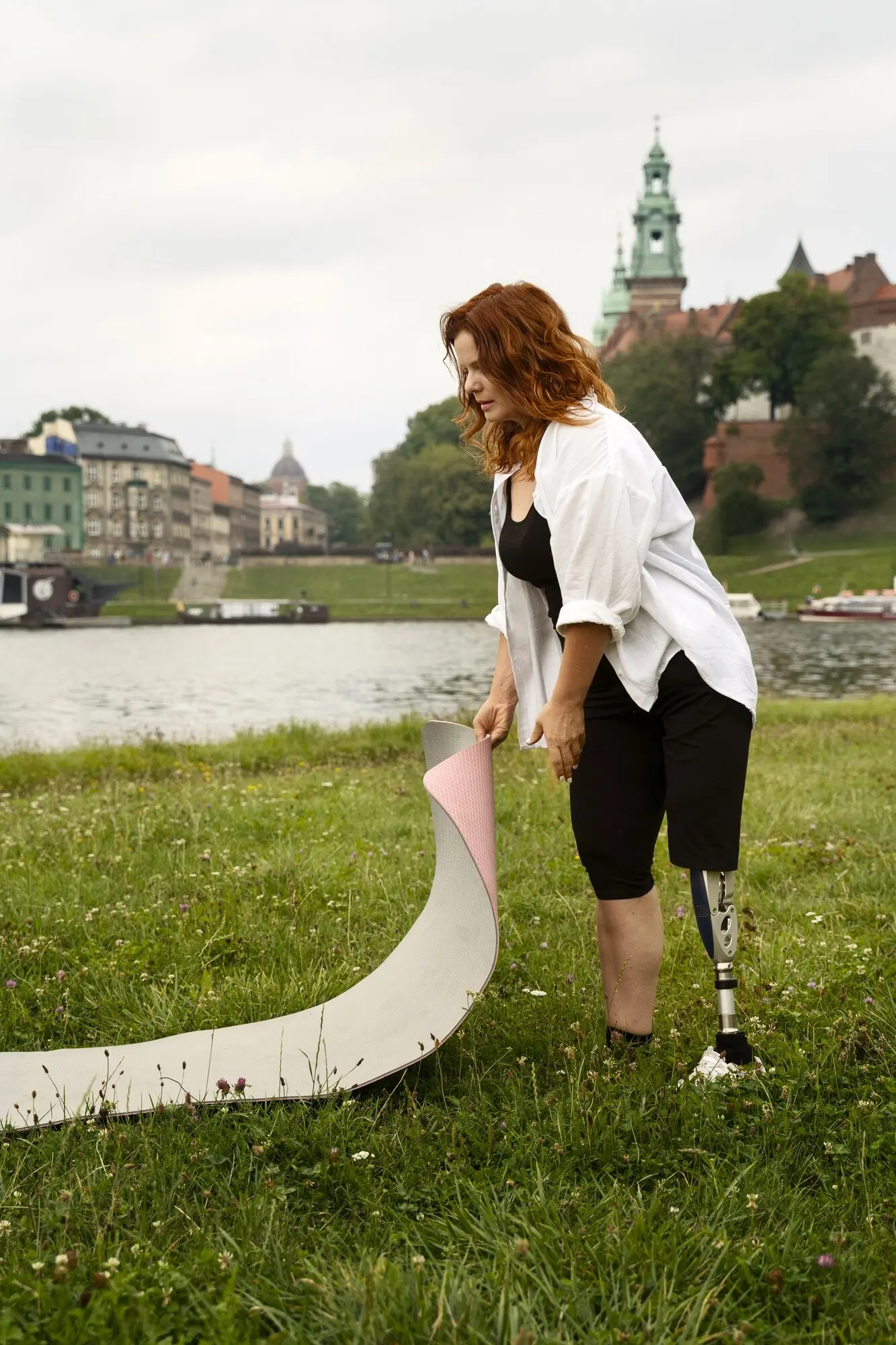
Choose a compact kit anchored by layers, spare muslins, nappies, wipes, and a small first‑aid pouch. Add a rain cover, sunshade, and refillable bottles to match changeable British skies. Snacks matter for everyone: portable fruit, oat bars, or simple sandwiches calm wobbly moments. A picnic mat doubles as play space and emergency windbreak. Think multipurpose items, clipped within reach, so you can adjust quickly without unpacking your entire day on a damp bench.
Start just before the big nap to let steady motion do the rest, planning a scenic midpoint where you can stretch and breathe. Feed in sheltered spots with views, giving yourself time to savor the pause. If weekends are busy, roll early or late for quieter paths and warmer light. Build in playful moments near the end so little legs release energy before the journey home, turning departures into contented, unhurried transitions.


Share the Path With Confidence
Greenways feel magical when everyone cooperates. Clear cues, gentle voices, and mindful positioning keep shared spaces relaxed for walkers, cyclists, wheelchair users, and prams. Anticipating junctions, holding a straight line, and signaling intentions with a glance or bell reduce frictions before they form. Visibility, predictability, and kindness do most of the heavy lifting. With a few practiced habits, even narrow sections become brief, courteous dances rather than awkward, energy‑draining bottlenecks.
Seasons That Turn Strolls into Adventures
Year‑round rolling reveals new textures and stories. Spring floods paths with blossom confetti and birdsong; summer delivers shade‑chasing games and picnic feasts; autumn rustles with colour; winter heightens light, reflections, and crisp air. Each season rewards flexible layers, patient pacing, and purposeful waypoints. When you lean into weather rather than fight it, even short outings glow with character, and familiar routes feel renewed, like favorite pages in a well‑loved picture book.

Inclusive Design Benchmarks to Look For
Watch for consistent widths supporting two‑abreast passing, gradients that stay gentle over distance, and tactile cues that avoid tripping wheels. Flush transitions at crossings and bridges remove awkward lifts. Clear sightlines reduce surprise conflicts, while regular seating supports caregivers recovering from births. Standards like BS 8300 and Sustrans’ Paths for Everyone encourage practical details—surface smoothness, drainage, legible signage—so accessibility is designed in from the start, not appended later as a compromise nobody truly loves.
Counting Access, Not Just Miles
Success is more than kilometres laid. It includes how many entrances are step‑free, how often benches appear, how reliably toilets open, and whether surfaces stay smooth after heavy rain. Data should capture pram, wheelchair, and mobility scooter experiences, not only commuter speed. Community audits, photo logs, and crowd‑sourced maps reveal weak links and quick wins. When budgets follow measured comfort, each pound stretches further, turning invisible friction points into tangible, everyday improvements families can immediately feel.
Raising Your Voice Effectively
Pair stories with specifics: a photo of the puddled corner, the kerb that jolts naps, the missing ramp blocking a direct crossing. Share these with ward councillors, parks teams, and local disability or family groups. Propose simple trials—bench clusters, resurfacing small sections, clearer signs—then invite feedback. Celebrate wins publicly to build momentum. When communities champion evidence‑backed upgrades, decision‑makers gain cover to act, and accessible networks blossom faster than any single petition could ever manage.
Join the Journey
Your experiences power this guide. Share the routes where naps held steady, cafés smiled at prams, and crossings felt easy, so other families can travel with confidence. Ask questions, request comparisons, or flag tricky corners. Subscribe for fresh ideas, seasonal checklists, and new city spotlights. Together, we can map gentle loops, troubleshoot pinch points, and celebrate everyday adventures that change how British cities feel under small wheels and hopeful, unhurried footsteps.


All Rights Reserved.